Carotid Revascularization
Definition:
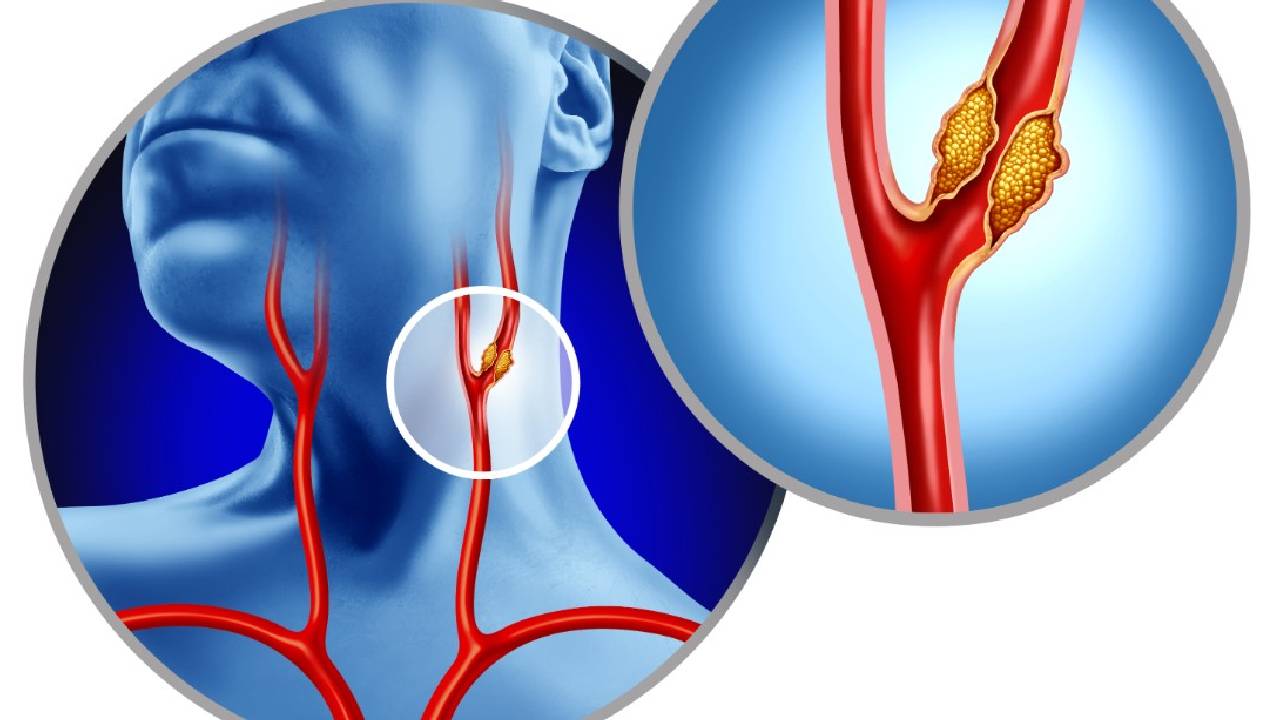
Carotid revascularization is performed to treat carotid artery stenosis, typically caused by atherosclerosis, to reduce the risk of stroke.
Indications:
| Patient Type | Degree of Stenosis | Recommendation |
|---|---|---|
| Symptomatic (TIA/stroke) | ≥50% | Strong indication for revascularization |
| Asymptomatic | ≥70% | Consider in selected patients with low surgical risk |
Symptoms of Carotid Stenosis:
Transient ischemic attacks (TIAs)
Minor stroke
Sudden weakness, speech disturbance, or vision loss
Asymptomatic (detected via screening)
Diagnosis:
Carotid Duplex Ultrasound: Initial screening and surveillance tool
CT Angiography (CTA) / MR Angiography (MRA): Preoperative planning
Conventional Angiography: Gold standard (used selectively)
Treatment Options:
1. Carotid Endarterectomy (CEA):
Open surgical removal of atherosclerotic plaque.
Preferred in patients with low surgical risk.
Standard of care for symptomatic patients with high-grade stenosis.
2. Carotid Artery Stenting (CAS):
Minimally invasive approach via catheter.
Used for high surgical risk patients or those with prior neck surgery/radiation.
3. Best Medical Management:
Antiplatelet agents (aspirin, clopidogrel)
Statins
Blood pressure & diabetes control
Lifestyle modification (smoking cessation, diet, exercise)
Complications:
Stroke or TIA
Cranial nerve injury (more common in CEA)
Restenosis (re-narrowing of artery)
Bleeding or hematoma
Hyperperfusion syndrome
Follow-up:
Duplex ultrasound at 1, 6, and 12 months post-procedure
Lifelong risk factor control (BP, lipids, smoking)
Antiplatelet therapy continuation
Neurological monitoring
About Dr Pranjal Melge Sawant
Dr Pranjal Melge Sawant is well known General and Vascular Surgeon currently associated with Deenanath Mangeshkar Hospital and Research Center. He has 10 years of experience in General Surgery and worked as an expert General Surgeon in different cities of India. He has worked in many reputed hospitals.