Aneurysm
Definition & Types
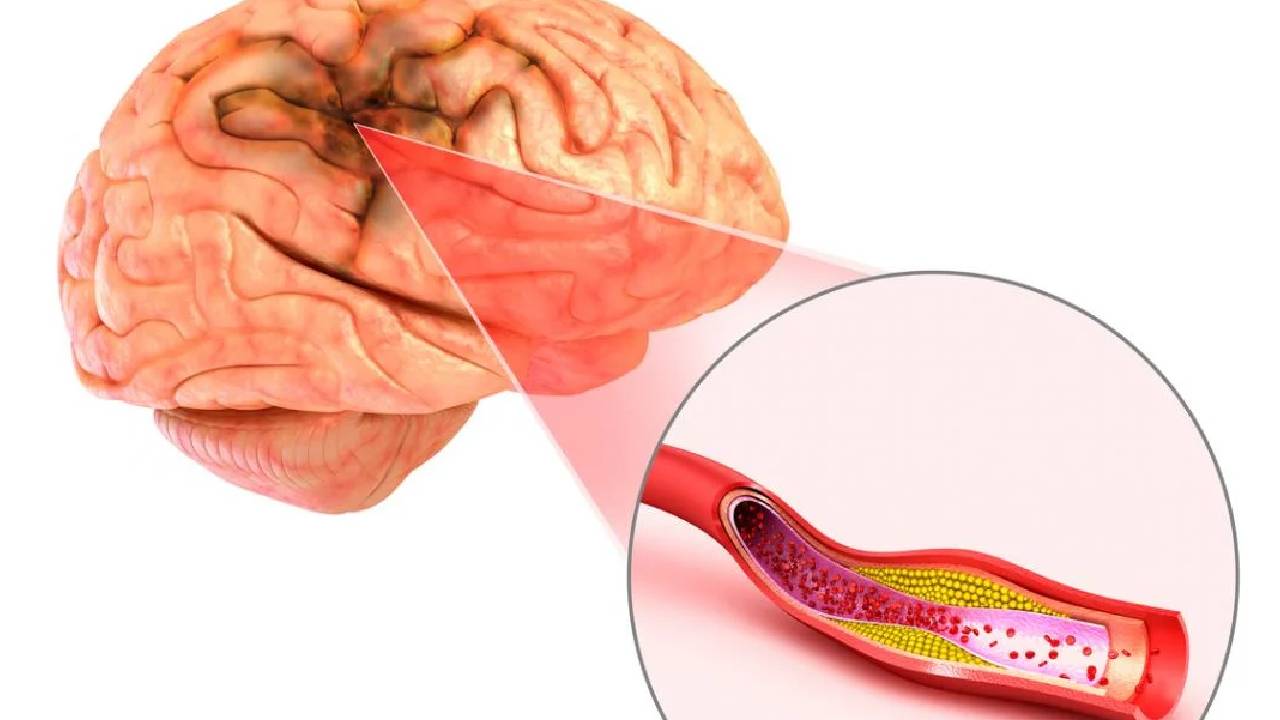
An aneurysm is an abnormal dilation or weakening of a blood vessel wall.
Can occur in the aorta (abdominal or thoracic), peripheral arteries, cerebral arteries, etc.
Risks & Consequences
Risk of rupture, which can cause massive internal bleeding and death.
Pressure on neighboring structures (e.g. nerves or organs).
Thrombus formation inside the aneurysm, embolization.
Diagnosis
Imaging: ultrasound (for abdominal), CT angiography, MR angiography.
Monitoring size and growth rate.
Treatment
Conservative management for small aneurysms (monitoring, blood pressure control).
Surgical repair if aneurysm is large or symptomatic:
– Open repair: excision and grafting
– Endovascular repair (stent grafts) – less invasive, faster recovery.
Aneurysms — more nuance
Growth rate & rupture risk: Decisions on when to intervene depend on size thresholds (e.g. abdominal aortic aneurysms > 5.5 cm in many guidelines) and growth rates.
Endovascular vs open repair trade-offs: Endovascular repair (EVAR) is less invasive, with quicker recovery but has risks of endoleaks (persistent blood flow into aneurysm sac).
Surveillance strategies: After repair, periodic imaging is required to ensure graft integrity, detect leaks or expansion.
Genetic & connective tissue links: Some aneurysms are associated with genetic conditions (Marfan’s, Ehlers–Danlos), which may affect management.
About Dr Pranjal Melge Sawant
Dr Pranjal Melge Sawant is well known General and Vascular Surgeon currently associated with Deenanath Mangeshkar Hospital and Research Center. He has 10 years of experience in General Surgery and worked as an expert General Surgeon in different cities of India. He has worked in many reputed hospitals.