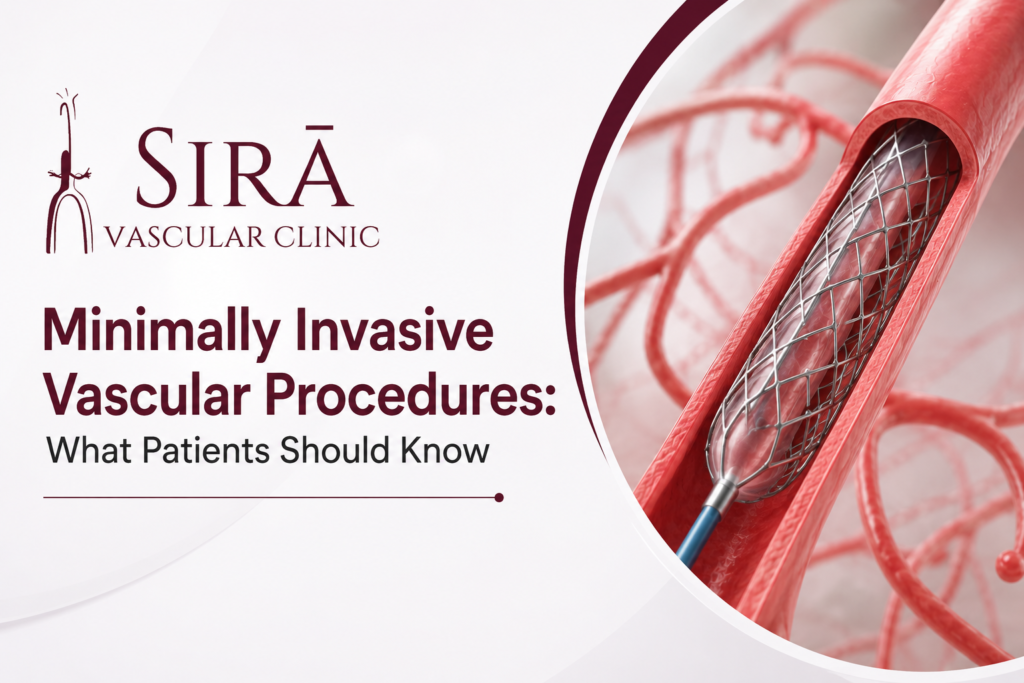
Vascular diseases can affect blood circulation and lead to serious health complications if left untreated. Fortunately, modern medical advancements have introduced minimally invasive vascular procedures that offer safer treatment options, faster recovery, and reduced discomfort compared to traditional open surgery.
According to Dr. Pranjal Melge Sawant, endovascular procedures have transformed the treatment of vascular diseases by allowing precise and effective care with smaller incisions and shorter recovery time.
What Are Minimally Invasive Vascular Procedures?
Minimally invasive vascular procedures, also known as endovascular procedures, are advanced techniques used to diagnose and treat blood vessel disorders without large surgical cuts.
These procedures are performed using:
- Small catheters
- Thin wires
- Specialized imaging guidance
- Tiny instruments inserted through small incisions
This approach helps treat vascular conditions with minimal trauma to the body.
Conditions Treated with Endovascular Procedures
Minimally invasive vascular treatments are commonly used for:
- Peripheral arterial disease (PAD)
- Varicose veins
- Deep vein thrombosis (DVT)
- Aneurysms
- Diabetic vascular complications
- Blocked arteries
- Vascular trauma injuries
Early diagnosis and treatment are important to prevent severe complications.
Benefits of Minimally Invasive Vascular Surgery
1. Smaller Incisions
Unlike traditional surgery, endovascular procedures require only tiny incisions, reducing tissue damage.
2. Faster Recovery
Patients often recover more quickly and can return to normal activities sooner.
3. Less Pain and Scarring
Smaller incisions usually result in reduced pain, minimal scarring, and better cosmetic outcomes.
4. Shorter Hospital Stay
Many minimally invasive vascular procedures require shorter hospitalization.
5. Reduced Risk of Complications
Advanced imaging and precise techniques help improve treatment accuracy and safety.
Symptoms That May Indicate Vascular Disease
Patients should seek medical attention if they experience:
- Leg pain while walking
- Swelling in the legs
- Varicose veins
- Numbness in limbs
- Non-healing wounds
- Cold feet or legs
- Skin discoloration
- Sudden severe leg pain
Ignoring vascular symptoms may increase the risk of serious circulation problems.
Importance of Early Vascular Care
Timely diagnosis and vascular treatment can help prevent:
- Stroke
- Blood clots
- Tissue damage
- Gangrene
- Limb-threatening complications
Regular evaluation by a vascular specialist is especially important for patients with diabetes, hypertension, smoking history, or heart disease.
Advanced Endovascular Surgeon Services in Pune
For expert vascular treatment and minimally invasive care, Dr. Pranjal Melge Sawant is recognized for providing advanced Endovascular Surgeon Services in Pune.
She holds qualifications in:
- MBBS
- DNB General Surgery
- DrNB Vascular Surgery
With over 10 years of experience, Dr. Pranjal Melge Sawant specializes in:
- Vascular surgery
- Endovascular procedures
- Peripheral arterial disease treatment
- Complex vascular trauma care
- Advanced blood vessel interventions
She is associated with leading healthcare institutions including:
- Deenanath Mangeshkar Hospital and Research Center
- KEM Hospital
- Jehangir Hospital
- Sahyadri Hospitals
Her expertise, ethical approach, and compassionate patient care have made her one of the most trusted vascular specialists in Pune.
Conclusion
Minimally invasive vascular procedures offer effective treatment with less pain, faster recovery, and improved patient comfort. Early diagnosis and proper vascular care can help prevent severe complications and improve overall circulation health.
If you experience symptoms related to vascular disease, consulting an experienced vascular and endovascular surgeon can help you receive timely and advanced treatment.