
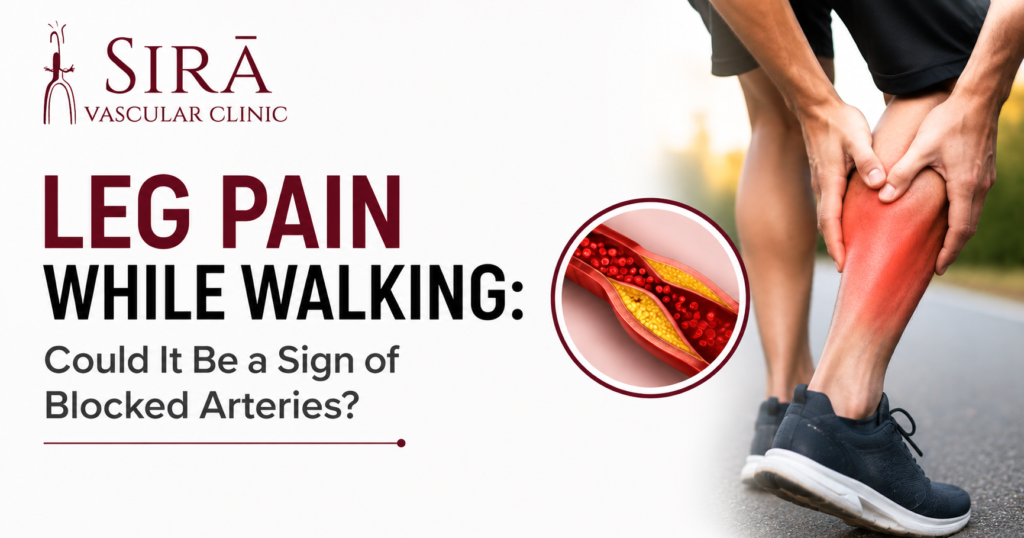
Many people experience leg pain while walking and assume it is simply due to aging, muscle strain, or fatigue. While these causes are common, persistent leg pain during physical activity can sometimes indicate a more serious condition known as Peripheral Artery Disease (PAD). This condition occurs when arteries that supply blood to the legs become narrowed or blocked, reducing blood flow and causing discomfort.
Ignoring this symptom can delay diagnosis and increase the risk of complications. Understanding the warning signs of blocked arteries and knowing when to seek medical attention can help protect your vascular health.
If you are experiencing recurring leg pain, consulting a qualified Vascular Surgeon is an important step. Many patients searching for the Best Vascular Specialist in Pune are often looking for answers about leg pain, circulation problems, and treatment options for blocked arteries.
What Are Blocked Arteries?
Arteries carry oxygen-rich blood from the heart to different parts of the body. Over time, fatty deposits called plaque can build up inside artery walls, causing them to narrow. This condition is known as atherosclerosis.
When atherosclerosis affects the arteries supplying the legs, it leads to Peripheral Artery Disease.
According to the American Heart Association, PAD affects more than 200 million people worldwide and is a major cause of disability and reduced quality of life.
The condition often develops gradually, making it easy to overlook early symptoms.
Why Does Leg Pain Occur While Walking?
The muscles in your legs require more oxygen during physical activity. If the arteries are narrowed, they cannot deliver enough blood to meet the muscles’ demands.
As a result, you may experience pain, cramping, or discomfort that typically:
- Starts during walking or exercise
- Improves with rest
- Returns when activity resumes
This symptom is known as intermittent claudication and is one of the most common signs of Peripheral Artery Disease.
Common Symptoms of Blocked Arteries in the Legs
Many people with PAD experience symptoms that gradually worsen over time.
Signs You Should Not Ignore
- Cramping in the calves, thighs, or buttocks while walking
- Leg fatigue during physical activity
- Coldness in one leg or foot
- Slow-healing wounds on the feet or legs
- Numbness or weakness in the legs
- Changes in skin color
- Hair loss on the legs
- Reduced pulse in the feet
While these symptoms may seem minor initially, they can indicate significant circulation problems.
Who Is Most at Risk?
Several factors increase the likelihood of developing blocked arteries.
Major Risk Factors Include
- Smoking
- Diabetes
- High blood pressure
- High cholesterol
- Obesity
- Sedentary lifestyle
- Family history of vascular disease
- Age above 60 years
According to the Centers for Disease Control and Prevention (CDC), smoking and diabetes are among the strongest risk factors for Peripheral Artery Disease.
Individuals with these risk factors should be particularly attentive to symptoms of poor circulation.
Why Early Diagnosis Matters
One of the biggest challenges with Peripheral Artery Disease is that many people ignore symptoms until the disease becomes advanced.
Untreated blocked arteries can lead to:
- Chronic pain
- Non-healing wounds
- Serious infections
- Tissue damage
- Increased risk of heart attack
- Increased risk of stroke
The National Heart, Lung, and Blood Institute reports that people with PAD have a significantly higher risk of cardiovascular events compared to those without the condition.
Early diagnosis allows treatment to begin before serious complications develop.
How a Vascular Surgeon Diagnoses Blocked Arteries
A Vascular Surgeon specializes in diagnosing and treating conditions that affect blood vessels.
Evaluation may include:
- Medical history review
- Physical examination
- Ankle-Brachial Index (ABI) testing
- Doppler ultrasound
- CT angiography
- MR angiography
These tests help determine the location and severity of arterial blockages and guide treatment planning.
Treatment Options for Peripheral Artery Disease
Treatment depends on the severity of symptoms and the extent of arterial narrowing.
Lifestyle Changes
For many patients, lifestyle modifications form the foundation of treatment.
Recommended changes include:
- Quitting smoking
- Following a heart-healthy diet
- Regular walking programs
- Managing blood sugar levels
- Controlling blood pressure
- Maintaining a healthy weight
These measures can significantly improve circulation and reduce disease progression.
Medications
Doctors may prescribe medications to:
- Lower cholesterol
- Control blood pressure
- Prevent blood clots
- Improve blood flow
Medication is often combined with lifestyle changes for optimal results.
Minimally Invasive Procedures
If symptoms are severe or blood flow is significantly restricted, minimally invasive treatments may be recommended.
These procedures may include:
- Angioplasty
- Stent placement
- Atherectomy
Such treatments help restore blood flow and relieve symptoms.
Surgical Treatment
In advanced cases, bypass surgery may be necessary to create an alternative pathway for blood flow around the blockage.
A skilled Vascular Surgeon can recommend the most appropriate treatment based on the patient’s condition and overall health.
When Should You See a Vascular Surgeon?
You should seek medical evaluation if:
- Leg pain occurs regularly while walking
- Symptoms interfere with daily activities
- Foot wounds heal slowly
- One leg feels colder than the other
- You have diabetes and circulation concerns
Prompt evaluation can help prevent serious complications and improve long-term outcomes.
Expert Vascular Care with Dr. Pranjal Melge Sawant
Leg pain while walking should never be dismissed as a normal part of aging. It may be an early warning sign of blocked arteries that require medical attention. Dr. Pranjal Melge Sawant provides comprehensive diagnosis and treatment for a wide range of vascular conditions, including Peripheral Artery Disease, varicose veins, diabetic foot problems, and circulation disorders.
With a patient-focused approach and advanced vascular care, Dr. Pranjal Melge Sawant helps individuals receive timely diagnosis and effective treatment. If you are looking for a trusted Vascular Surgeon in Pune, expert evaluation can help identify the cause of your symptoms and guide you toward the most appropriate treatment plan.
Conclusion
Leg pain while walking is not always caused by muscle fatigue or aging. In many cases, it may be a sign of blocked arteries and Peripheral Artery Disease. Recognizing the symptoms early and seeking medical attention can prevent complications and improve quality of life.
A qualified Vascular Surgeon can assess your circulation, identify any blockages, and recommend effective treatment options. If you experience recurring leg pain, do not ignore the warning signs. Early intervention can make a significant difference in protecting your vascular health.
#VascularHealth #PeripheralArteryDisease #BlockedArteries #LegPain #VascularSurgeon #CirculationProblems #HeartHealth #DiabeticFootCare #PreventiveHealthcare #VascularCare #HealthyLiving #MedicalAwareness