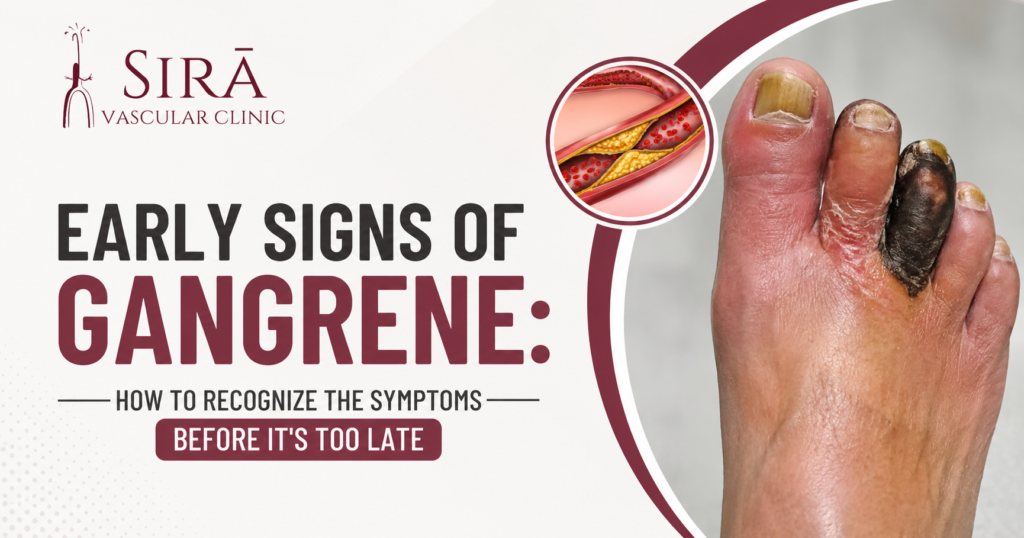
Gangrene is a serious medical condition that occurs when body tissue dies due to a lack of blood supply, severe infection, or injury. It most commonly affects the toes, feet, fingers, and hands, but it can also develop in internal organs. If left untreated, gangrene can spread quickly and become life threatening. Early diagnosis and timely Gangrene Treatment are essential to prevent complications such as tissue loss, amputation, or severe infection.
If you are searching for a Vascular Surgeon in Pune, understanding the warning signs of gangrene can help you seek medical care before the condition worsens. In many cases, prompt treatment can preserve healthy tissue and improve recovery outcomes.
What Is Gangrene?
Gangrene occurs when blood flow to a part of the body is reduced or completely blocked, causing tissues to die. It can also result from bacterial infections that destroy tissue rapidly. Since healthy blood circulation delivers oxygen and nutrients to tissues, any interruption can lead to irreversible damage if not treated promptly.
People with diabetes, peripheral artery disease, smoking habits, severe injuries, or weakened immune systems have a higher risk of developing gangrene.
According to the Centers for Disease Control and Prevention (CDC) and the National Institute of Diabetes and Digestive and Kidney Diseases (NIDDK), people with diabetes are particularly vulnerable due to poor circulation and reduced sensation in the feet.
Types of Gangrene
Understanding the different forms of gangrene helps explain why symptoms may vary.
Dry Gangrene
Dry gangrene develops when blood supply gradually decreases without infection. The affected tissue becomes dry, shrinks, and changes color over time.
Wet Gangrene
Wet gangrene occurs when tissue death is combined with bacterial infection. It spreads rapidly and requires immediate medical attention.
Gas Gangrene
Gas gangrene is a rare but extremely dangerous bacterial infection that produces gas inside tissues. It progresses quickly and can become life threatening within hours.
Internal Gangrene
Internal gangrene affects organs such as the intestines or gallbladder when blood flow becomes blocked.
Early Signs of Gangrene You Should Never Ignore
Recognizing symptoms early is the key to successful Gangrene Treatment. Many people mistake the initial signs for minor skin problems, delaying medical care.
Skin Color Changes
One of the earliest warning signs is a noticeable change in skin color. The affected area may become:
- Pale
- Blue or purple
- Dark red
- Brown
- Black in advanced stages
These color changes usually indicate poor blood circulation.
Persistent Pain or Sudden Numbness
Some patients experience severe pain initially, followed by numbness as the tissue begins to die. Others may notice complete loss of sensation in the affected area.
Swelling and Skin Changes
Gangrene often causes visible skin changes, including:
- Swelling
- Tight or shiny skin
- Blisters filled with fluid
- Open sores that do not heal
These symptoms should never be ignored, especially in people with diabetes.
Foul Smell and Discharge
Wet gangrene may produce:
- Thick discharge
- Pus
- An unpleasant odor
These signs indicate infection and require emergency medical evaluation.
Who Is Most at Risk?
Although gangrene can affect anyone, certain individuals have a much higher risk.
People at increased risk include:
- Individuals with diabetes
- Patients with peripheral artery disease
- Smokers
- People with severe burns or frostbite
- Individuals recovering from major injuries
- Patients with weakened immune systems
- Older adults with poor circulation
According to the American Diabetes Association, diabetic foot complications remain one of the leading causes of lower limb amputations worldwide.
Why Early Gangrene Treatment Is So Important
Delaying treatment allows tissue damage to spread, making treatment more complex.
Without timely intervention, gangrene can lead to:
- Permanent tissue loss
- Severe bacterial infection
- Bloodstream infection (sepsis)
- Organ failure
- Limb amputation
- Life threatening complications
Seeking immediate medical care at the first warning signs greatly improves the chances of saving the affected tissue.
How Is Gangrene Diagnosed?
Doctors use several methods to confirm the diagnosis and determine the severity of the condition.
These may include:
- Physical examination
- Blood tests
- Wound culture
- Doppler ultrasound to assess blood flow
- CT scan or MRI
- X rays to detect gas in tissues
- Angiography to evaluate blood circulation
Early diagnosis helps doctors plan the most appropriate treatment before the condition progresses.
Gangrene Treatment Options
Treatment depends on the type, severity, and underlying cause of gangrene.
Common Treatment Approaches
- Antibiotics to control infection
- Surgical removal of dead tissue
- Procedures to restore blood circulation
- Wound care and dressings
- Hyperbaric oxygen therapy in selected cases
- Amputation only when absolutely necessary to prevent the spread of infection
Modern vascular surgery techniques can often improve blood flow and reduce the need for major amputations when treatment begins early.
According to the Society for Vascular Surgery, restoring circulation is one of the most important goals in patients with limb threatening vascular disease.
Can Gangrene Be Prevented?
While not every case can be prevented, several healthy habits significantly reduce the risk.
Tips to Protect Yourself
- Keep diabetes under good control.
- Inspect your feet every day if you have diabetes.
- Stop smoking.
- Exercise regularly to improve circulation.
- Treat cuts, burns, and wounds promptly.
- Wear properly fitting footwear.
- Seek medical attention for wounds that do not heal.
Preventive care is especially important for people with poor circulation or vascular disease.
When Should You See a Doctor?
Do not wait if you notice:
- Skin turning black or dark blue
- Persistent foot ulcers
- Severe pain followed by numbness
- Swelling with foul smelling discharge
- Fever along with an infected wound
- Rapidly spreading skin discoloration
These symptoms require immediate medical evaluation. Early Gangrene Treatment can prevent serious complications and improve recovery.
Conclusion
Gangrene is a medical emergency that should never be ignored. Early recognition of symptoms such as skin discoloration, persistent pain, swelling, foul smelling wounds, or numbness allows treatment to begin before permanent tissue damage occurs. People with diabetes, poor circulation, or vascular disease should be particularly vigilant and seek prompt medical attention if they notice any warning signs.
If you are looking for expert Gangrene Treatment in Pune, Dr. Pranjal Melge Sawant offers comprehensive evaluation and advanced vascular care for patients with poor circulation, diabetic foot complications, and gangrene. With timely diagnosis, personalized treatment plans, and modern surgical techniques, Dr. Pranjal Melge Sawant is dedicated to helping patients preserve limb function and achieve the best possible outcomes.
Hashtags
#GangreneTreatment #VascularSurgery #DiabeticFootCare #PeripheralArteryDisease #LimbSalvage #WoundCare #VascularHealth #DrPranjalMelgeSawant #Healthcare #PatientEducation