
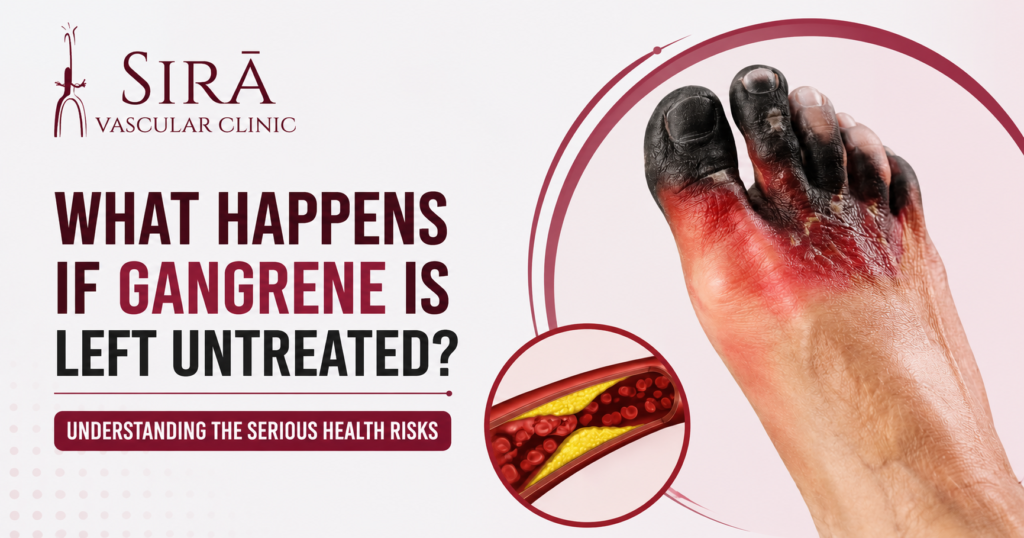
Gangrene is a serious medical condition in which body tissue dies because of inadequate blood supply, a severe infection, or both. It most commonly affects the toes, feet, fingers and limbs, but it can also develop in deeper tissues or internal organs. Without timely medical attention, gangrene can spread quickly and become life-threatening.
For people with diabetes, poor circulation, or non-healing wounds, recognizing warning signs early is especially important. Consulting a vascular specialist or Diabetic Foot Surgeon in Pune can help identify circulation problems, infected wounds and tissue damage before complications become more severe.
Why Is Gangrene So Dangerous?
Healthy tissue needs a continuous supply of oxygen and nutrients through the bloodstream. When blood flow is severely reduced or an infection damages the tissue, cells can begin to die. Once tissue has died, it cannot simply recover on its own.
Gangrene may develop gradually, as in some cases of reduced blood circulation, or progress rapidly when an aggressive infection is involved. Wet gangrene and gas gangrene can spread particularly quickly and require emergency medical treatment.
The longer gangrene remains untreated, the greater the possibility of infection spreading beyond the original wound or affected area.
Serious Health Risks of Untreated Gangrene
1. Infection Can Spread to Surrounding Tissue
One of the immediate concerns is the spread of infection. When bacteria infect damaged or dead tissue, they can multiply and move into nearby muscles, skin and other structures.
Wet gangrene is particularly concerning because infected tissue can deteriorate rapidly. Gas gangrene can also progress quickly and may cause extensive damage to deeper muscle tissue.
Early treatment can help limit the amount of tissue affected and improve the possibility of preserving the limb.
2. Sepsis Can Develop
One of the most dangerous complications is sepsis. Sepsis occurs when the body’s response to an infection becomes harmful and starts affecting normal organ function.
If an infection associated with gangrene enters the bloodstream or spreads extensively, the patient can become severely ill. Sepsis may progress to septic shock, a condition involving dangerously low blood pressure and reduced blood flow to vital organs.
Warning signs that may indicate a serious systemic infection include:
- Fever or unusually low body temperature
- Rapid breathing or heartbeat
- Confusion or changes in alertness
- Severe weakness or dizziness
- Low blood pressure or feeling faint
These symptoms require emergency medical attention.
3. Amputation May Become Necessary
When gangrene has caused extensive tissue death or infection cannot be controlled, removing the affected tissue may become necessary. In severe cases, this can mean amputation of a toe, finger, foot, leg or another affected body part.
Amputation is sometimes necessary to prevent a dangerous infection from spreading further and to protect the patient’s life. However, earlier diagnosis and treatment may improve the opportunity to preserve healthy tissue.
The exact treatment depends on the type and extent of gangrene, blood circulation, infection and the patient’s overall health.
4. Blood Flow Problems Can Become Worse
Gangrene is often linked to severely reduced blood flow. Conditions such as peripheral artery disease, atherosclerosis and diabetes can damage or narrow blood vessels, reducing the amount of oxygen reaching the tissues.
If the underlying circulation problem is not addressed, wounds may continue to heal poorly and new areas of tissue damage may develop.
This is why effective Gangrene Treatment often involves more than treating the visible wound. Doctors may need to assess circulation and determine whether blood flow can be improved.
5. Extensive Tissue Damage Can Affect Recovery
Dead or severely damaged tissue can create complications that make recovery more difficult. Surgical removal of unhealthy tissue may be required, and extensive damage can sometimes result in scarring, reconstructive procedures or prolonged rehabilitation.
The longer treatment is delayed, the more difficult it may become to limit the affected area.
What Are the Warning Signs of Gangrene?
Gangrene does not always look the same in every person. Skin colour may change to shades of pale, blue, purple, brown or black. Other symptoms can include swelling, blisters, severe or unexplained pain, numbness, cold skin and foul-smelling discharge from a wound.
People with diabetes should pay particular attention to foot wounds because nerve damage can reduce sensation. A small injury may therefore go unnoticed until it becomes infected or develops into a serious wound.
Seek urgent medical attention if you notice a wound that is becoming increasingly painful, swollen, discoloured, cold or numb, particularly when accompanied by fever or foul-smelling discharge.
Who Is at Higher Risk?
Certain health conditions and lifestyle factors can increase the risk of gangrene. Diabetes is an important risk factor because prolonged high blood sugar can damage blood vessels and impair circulation.
Other risk factors include:
- Peripheral artery disease or other circulation problems
- Smoking or tobacco use
- Severe injuries, burns or frostbite
- A weakened immune system
- Obesity
- Blood clots or narrowed arteries
- Poorly healing wounds
People with diabetes or circulation problems should not ignore even seemingly minor wounds on the feet or legs.
How Is Gangrene Treated?
Gangrene requires prompt medical assessment. Doctors may use blood tests, tissue or fluid testing and imaging such as ultrasound, X-ray, CT or MRI to understand the extent of infection and tissue damage. Angiography may also be used to assess blood vessels when poor circulation is suspected.
Treatment depends on the cause and severity. It may include antibiotics for bacterial infection, removal of dead or infected tissue, procedures to restore blood flow and, in severe cases, amputation. Hyperbaric oxygen therapy may also be considered in selected situations.
The key principle is simple: treatment should begin as early as possible rather than waiting for the condition to improve on its own.
Can Gangrene Be Prevented?
Not every case of gangrene can be prevented, but reducing risk factors can make a significant difference. People with diabetes should maintain appropriate blood sugar control and regularly inspect their feet for cuts, blisters, redness, swelling or other changes.
Good wound care is also important. Even a small wound should be cleaned appropriately and monitored for signs of infection. Smoking cessation is particularly important because tobacco damages blood vessels and can worsen circulation.
People with known circulation problems should also discuss appropriate vascular care and regular examinations with their healthcare provider.
Do Not Wait for Gangrene to Get Worse
Gangrene is not a condition that should be monitored at home without professional evaluation. Tissue death, infection and poor blood flow can progress, sometimes rapidly. Early diagnosis can provide more treatment options and may help limit tissue loss.
If you notice black or purple skin, a cold or numb limb, severe unexplained pain, swelling, blisters, a non-healing wound or foul-smelling discharge, seek urgent medical care. The NHS also advises immediate emergency assessment when gangrene is suspected.
Expert Gangrene Treatment with Dr. Pranjal Melge-Sawant
Dr. Pranjal Melge-Sawant focuses on vascular conditions and the evaluation and management of circulation-related problems. Patients with suspected gangrene, diabetic foot wounds, poor circulation or non-healing wounds can benefit from timely specialist assessment.
For patients seeking Gangrene Treatment in Pune, early consultation can help determine the cause of tissue damage, assess blood circulation and identify an appropriate treatment plan. Do not wait for symptoms to become severe, especially if you have diabetes or an existing circulation problem.
Hashtags
#GangreneTreatment #DiabeticFootCare #VascularHealth #DiabeticFoot #WoundCare #PeripheralArteryDisease #DiabetesCare #VascularSurgery