
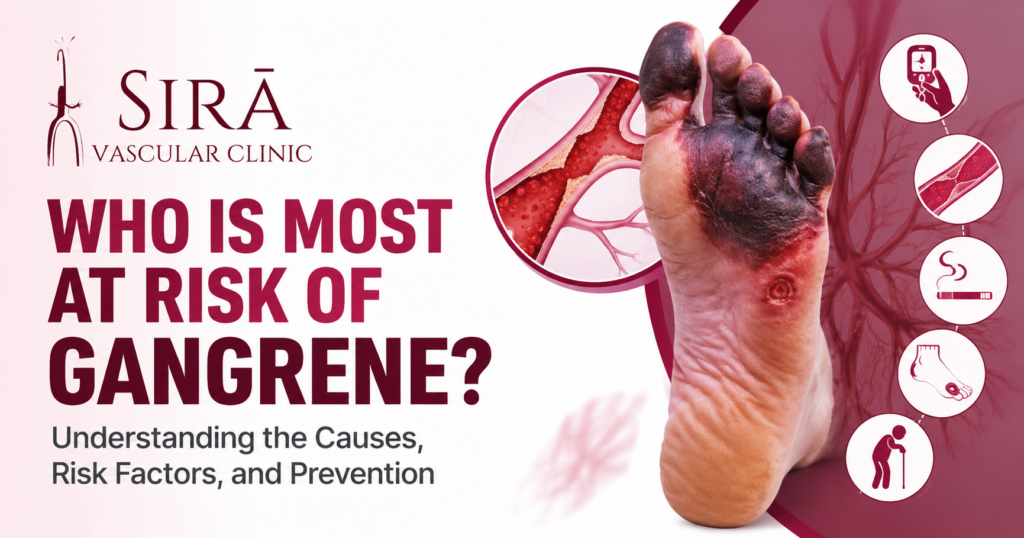
Gangrene is a serious medical condition that occurs when body tissue dies due to a lack of blood supply, severe infection, or injury. While it is often associated with advanced diabetes, gangrene can affect anyone under certain circumstances. If left untreated, it can spread rapidly and lead to life threatening complications, including sepsis and limb loss.
The good news is that many cases of gangrene can be prevented with early diagnosis and proper medical care. Understanding who is most at risk, recognizing the warning signs, and seeking timely Gangrene Treatment can make a significant difference in outcomes. If you are looking for the Best Diabetic Foot Surgeon, consulting a vascular specialist at the earliest signs of foot problems is essential for protecting your limb health.
What Is Gangrene?
Gangrene develops when tissue loses its blood supply or becomes severely infected, causing cells to die. Healthy blood circulation delivers oxygen and nutrients to tissues. When this supply is interrupted, the affected tissue cannot survive.
According to the National Health Service (NHS), gangrene most commonly affects the fingers, toes, feet, and hands, but it can also occur in muscles and internal organs.
There are several types of gangrene, including:
- Dry gangrene
- Wet gangrene
- Gas gangrene
- Internal gangrene
- Fournier’s gangrene
Each type requires prompt medical evaluation because delayed treatment can increase the risk of serious complications.
Who Is Most at Risk of Gangrene?
Certain medical conditions and lifestyle factors significantly increase the likelihood of developing gangrene.
1. People with Diabetes
Diabetes is one of the leading causes of gangrene, especially when blood sugar levels remain uncontrolled.
High blood sugar can damage nerves and blood vessels over time, reducing blood flow to the feet. Because diabetic neuropathy may reduce sensation, small cuts or blisters can go unnoticed until they become infected.
The Centers for Disease Control and Prevention (CDC) emphasizes that diabetes increases the risk of foot ulcers and lower limb complications if proper foot care is neglected.
2. Individuals with Peripheral Artery Disease (PAD)
Peripheral artery disease narrows the arteries supplying blood to the legs and feet.
Poor circulation means even minor wounds heal slowly, increasing the risk of infection and tissue death.
According to the American Heart Association, PAD significantly increases the risk of chronic wounds and limb-threatening complications.
3. Smokers
Smoking damages blood vessels, reduces oxygen delivery, and worsens circulation.
People who smoke are more likely to develop vascular disease, delayed wound healing, and gangrene compared to non-smokers.
Quitting smoking is one of the most effective ways to improve circulation and lower the risk of vascular complications.
4. People with Severe Injuries or Burns
Traumatic injuries, crush injuries, frostbite, or severe burns can interrupt blood flow to tissues.
Without adequate circulation, damaged tissue becomes vulnerable to infection and gangrene.
Prompt wound care greatly reduces this risk.
5. Individuals with Weak Immune Systems
People undergoing chemotherapy, taking immunosuppressive medications, or living with conditions that weaken immunity may have difficulty fighting infections.
A minor wound that heals normally in a healthy person can become a serious infection in someone with reduced immunity.
Common Causes of Gangrene
Gangrene does not develop overnight. It usually results from one or more underlying problems.
The most common causes include:
- Poor blood circulation
- Diabetes-related foot ulcers
- Serious bacterial infections
- Traumatic injuries
- Severe burns
- Frostbite
- Blood vessel disorders
- Complications after surgery
The Mayo Clinic notes that restoring blood flow and controlling infection are essential parts of successful Gangrene Treatment.
Early Warning Signs You Should Never Ignore
Recognizing symptoms early can help prevent permanent tissue damage.
Seek immediate medical attention if you notice:
- Skin turning black, blue, purple, or dark brown
- Persistent pain followed by numbness
- Swelling around a wound
- Bad-smelling discharge
- Fever with a wound infection
- Cold or pale fingers or toes
- Non-healing ulcers
- Sudden loss of sensation
These symptoms require urgent evaluation because gangrene can progress rapidly.
How Is Gangrene Diagnosed?
Doctors diagnose gangrene using a combination of physical examination and imaging studies.
Your vascular specialist may recommend:
- Blood tests
- Doppler ultrasound
- CT scan
- MRI
- Angiography
- Wound culture
- Tissue biopsy when necessary
These investigations help determine the cause, extent of tissue damage, and the most appropriate Gangrene Treatment plan.
Gangrene Treatment Options
Treatment depends on how advanced the condition is and whether infection or poor circulation is the primary cause.
Common treatment options include:
- Intravenous antibiotics
- Surgical removal of dead tissue (debridement)
- Procedures to restore blood flow
- Angioplasty or bypass surgery
- Advanced wound care
- Hyperbaric oxygen therapy in selected cases
In severe cases where tissue cannot be saved, amputation may become necessary to prevent infection from spreading.
According to the Cleveland Clinic, early treatment significantly improves the chances of preserving the affected limb.
Can Gangrene Be Prevented?
Many cases of gangrene are preventable through good vascular health and proper wound care.
Practical prevention tips include:
- Keep diabetes under good control.
- Inspect your feet every day for cuts, blisters, or ulcers.
- Wear properly fitting footwear.
- Avoid smoking.
- Maintain healthy blood pressure and cholesterol.
- Seek prompt treatment for wounds that do not heal.
- Stay physically active to improve circulation.
- Never ignore persistent foot pain or skin discoloration.
People with diabetes or poor circulation should schedule regular foot examinations even if they have no symptoms.
When Should You See a Specialist?
Do not wait if you notice signs of poor circulation or infection.
Consult a specialist immediately if you experience:
- A wound that is not healing
- Black or discolored skin
- Increasing redness or swelling
- Severe foot pain
- Numbness in the feet
- Foul-smelling wound discharge
- Fever associated with a foot ulcer
Early medical intervention often prevents extensive tissue loss and improves recovery.
Expert Gangrene Care at SIRĀ VASCULAR CLINIC
Gangrene requires immediate attention from an experienced vascular specialist. At SIRĀ VASCULAR CLINIC, Dr. Pranjal Melge-Sawant provides comprehensive evaluation and advanced vascular care for patients with diabetic foot problems, poor circulation, chronic wounds, and gangrene.
Using modern diagnostic techniques and evidence-based treatment, the clinic focuses on restoring blood flow, controlling infection, preserving limbs whenever possible, and improving long-term vascular health.
If you are looking for trusted Gangrene Treatment in Pune, SIRĀ VASCULAR CLINIC offers personalized care designed to diagnose problems early and help patients achieve the best possible outcomes.
Hashtags
#GangreneTreatment #GangreneAwareness #DiabeticFoot #PeripheralArteryDisease #VascularHealth #FootCare #LimbSalvage #DiabetesCare #VascularSurgeon #BestDiabeticFootSurgeon #SIRAVascularClinic #GangreneTreatmentInPune